
Stormwater
Storm Drain Cleaning and Repair
Storm drains carry rain away from your building. When they fill with leaves and silt, water pools, floods low spots and finds its way into basements. We clear them, inspect them and repair what is broken.
01Sewer & drain
A storm drain system is separate from your sanitary sewer. It collects rain from roof leaders, yard drains, catch basins, driveway trench drains and parking lot inlets, and carries it to the street or another outlet. It is meant to move clean runoff, not sewage, and the two systems should stay separate.
Storm lines clog differently than sewer lines. Leaves, silt, gravel, mulch and roots wash in from outside. Catch basins fill with sediment until the outlet is buried. Underground leader pipes, often thin-walled plastic or old clay, crack under frost, settle or get crushed by vehicles. The first sign is usually water standing where it never used to, or a downspout that overflows at the ground during heavy rain.
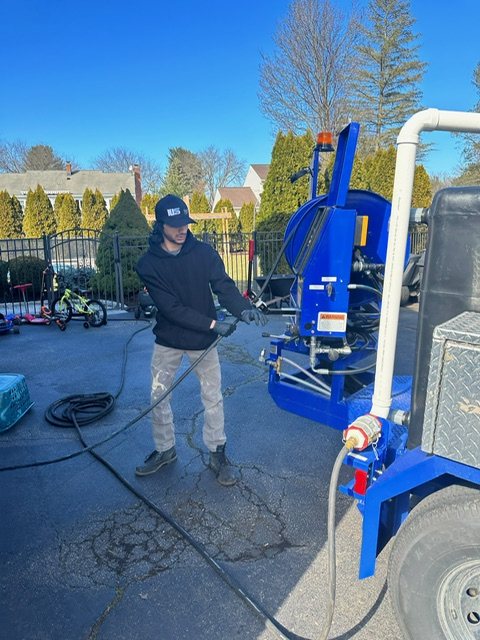
We clean storm lines with jetting, which flushes sediment out rather than just opening a path, and we run a camera through to find breaks and blockages. Locating the line tells you where it actually goes, which is often not where anyone remembers.
02When to call
Signs it's time
- 01Water pooling in the yard, driveway or parking lot after rain
- 02Downspouts that back up or overflow at the ground connection
- 03Catch basins full of sediment
- 04Water entering the basement during storms
- 05Sinkholes or soft ground along a buried drain line
- 06A yard drain that no longer takes water
03How we handle it
- 1
Inspect the system
We check inlets, catch basins and outlets, and run a camera through the underground lines to find blockages and damage.
- 2
Clean the lines
We remove sediment from basins and jet the lines to flush out silt, leaves and roots.
- 3
Locate and repair
Where a line is broken or crushed, we locate it from above and repair or replace the section.
- 4
Recommend upkeep
Storm systems need regular attention, especially with trees nearby. We suggest what to clean and how often.
04What's included
The scope, in plain terms
On the truck for this
- High-pressure water jetting
- Sewer camera inspection
- Pipe locating equipment
- Catch basin and inlet cleaning
- Roof leader and downspout drain clearing
- Yard drain and trench drain clearing
- Jetting storm lines to remove silt and debris
- Camera inspection of underground storm lines
- Locating buried storm lines
- Repair of broken or collapsed storm pipe
- Service for homes, businesses and managed properties
Recent work nearby
Jobs like this, lately.
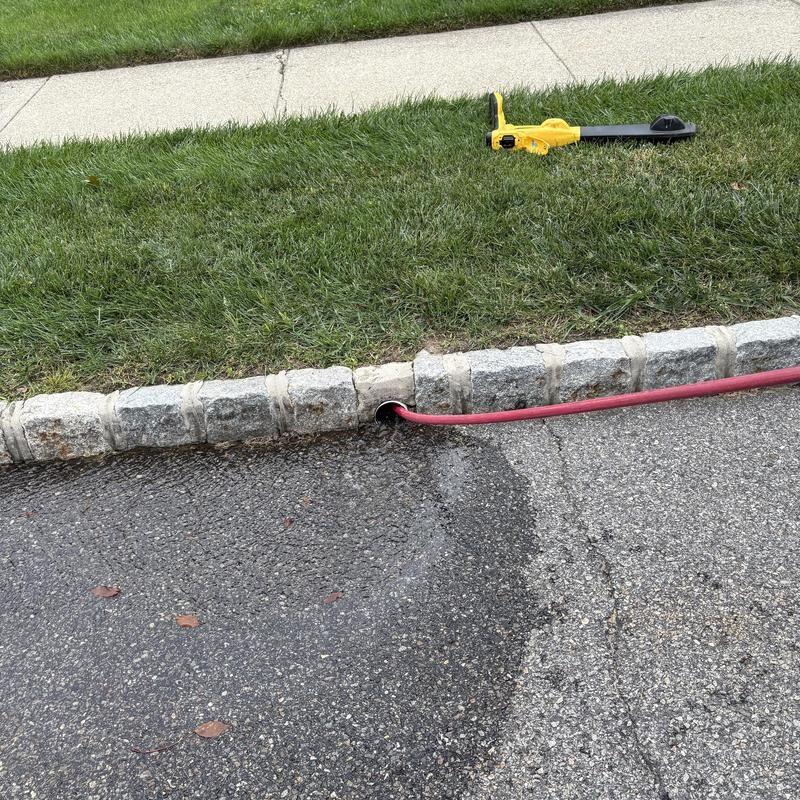
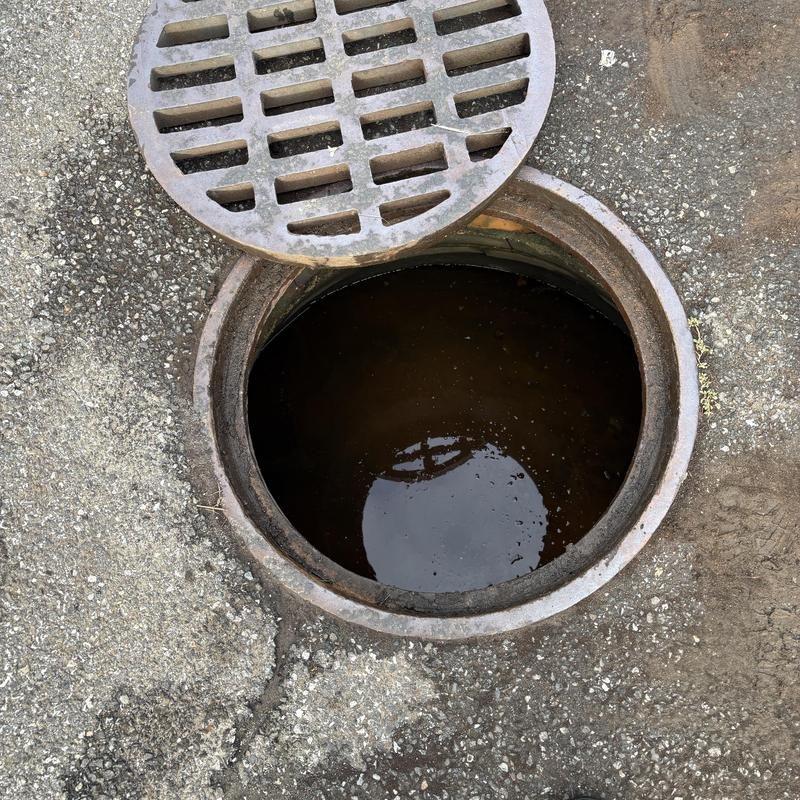
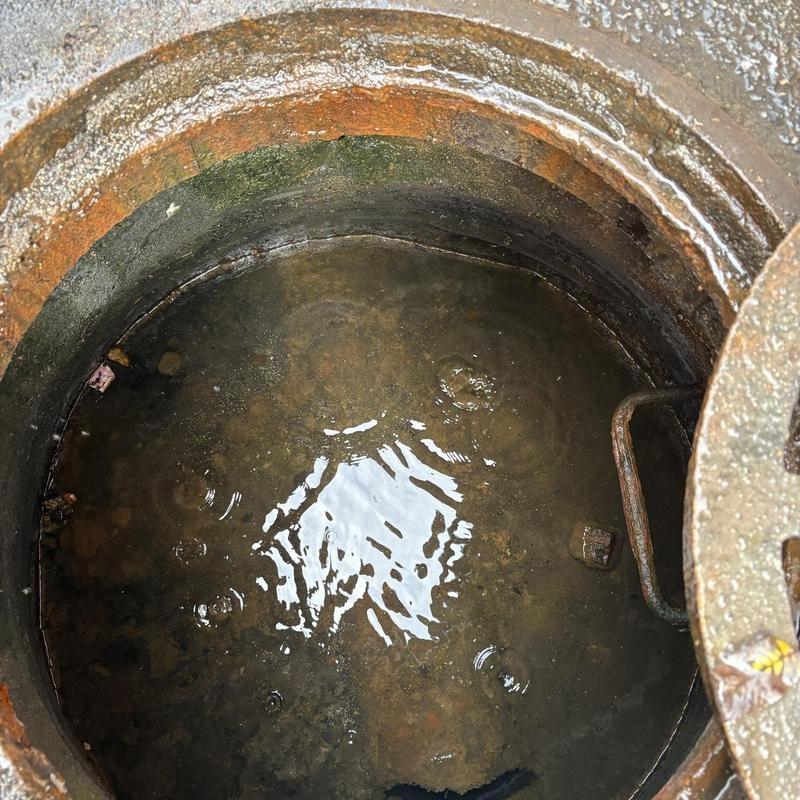
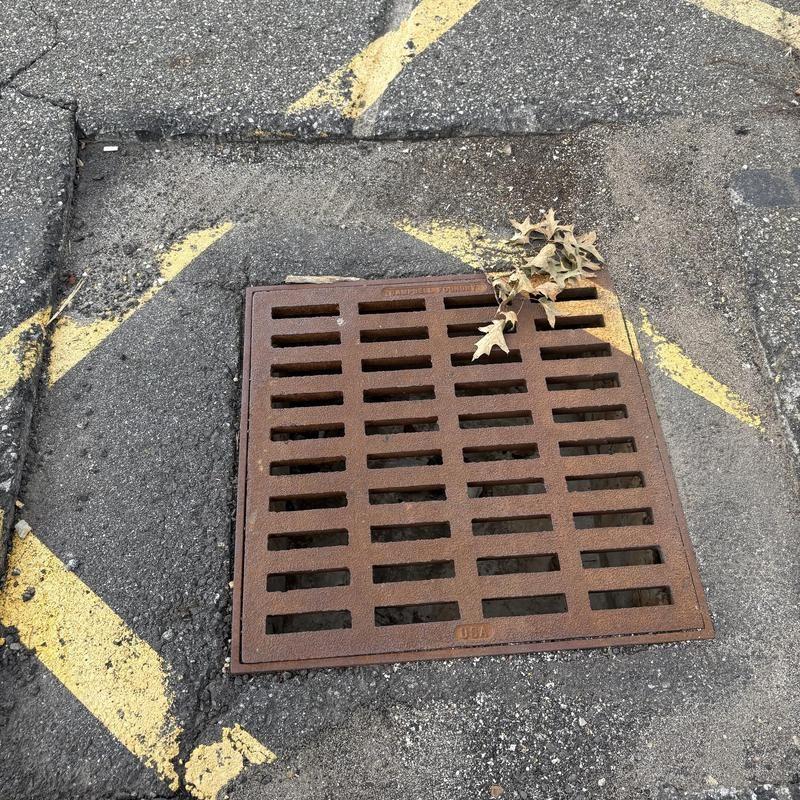
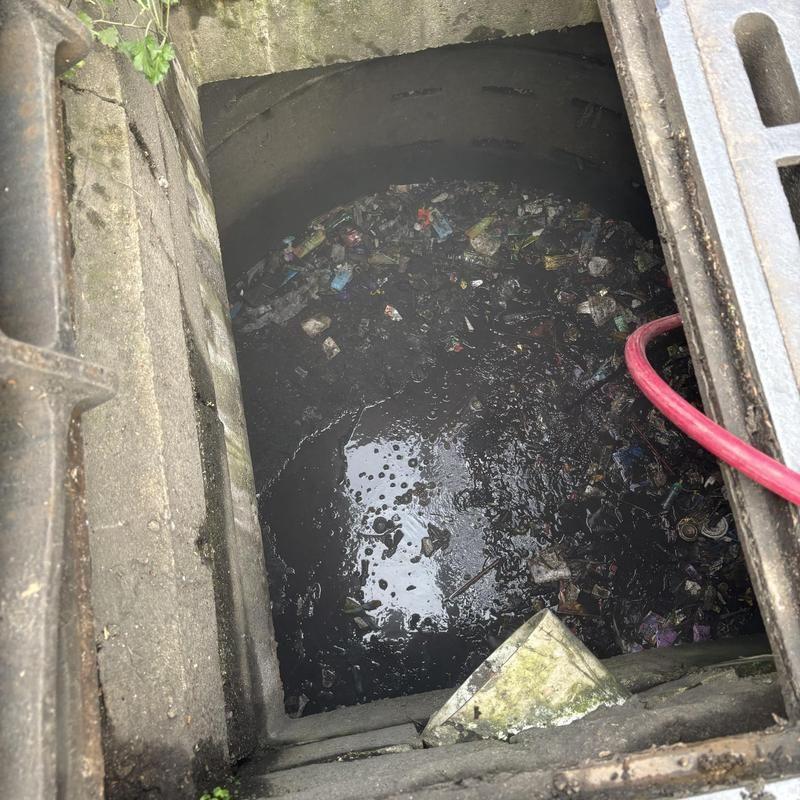
Logged by our crew on the job. Pins are placed near, not at, each address.
05Questions
What people ask about storm drain service
Is a storm drain the same as a sewer?
No. Storm drains carry rainwater. Sanitary sewers carry waste from your plumbing. They are separate systems and should stay that way. Connecting one to the other can overload the sewer during storms.
Why does my downspout overflow at the ground?
The underground leader pipe it connects to is usually clogged with leaves and silt, or crushed or disconnected somewhere along the way. Jetting and a camera look will tell us which.
Who is responsible for the storm drain in the street?
Drains in the public street are generally maintained by the municipality or county. Drains on your property, including leaders, yard drains and lot inlets, are usually the owner's responsibility. If you are not sure, we can help figure out where your line connects.
Storm Drain Service in these towns
- Bloomfield
- Boonton
- Caldwell
- Cedar Grove
- Clifton
- Fairfield
- Franklin Lakes
- Hackensack
- Lincoln Park
- Little Falls
- Livingston
- Madison
- Midland Park
- Montclair
- Montville
- Morristown
- Mountain Lakes
- North Caldwell & West Caldwell
- Nutley
- Oakland
- Paramus
- Parsippany
- Pequannock
- Pompton Plains
- Ridgewood
- South Orange
- Totowa
- Wayne
- West Orange
- Wyckoff
Request service
Tell us what's going on.
We'll get back to you to set a time. Anything urgent, call instead: (973) 513-7751.