Hydro jetting
High-Pressure Jetting for Drains and Sewer Lines
A cable opens a path through a clog. A jetter cleans the whole pipe wall. For grease, scale and roots that keep coming back, jetting is usually the better tool.
01Sewer & drain
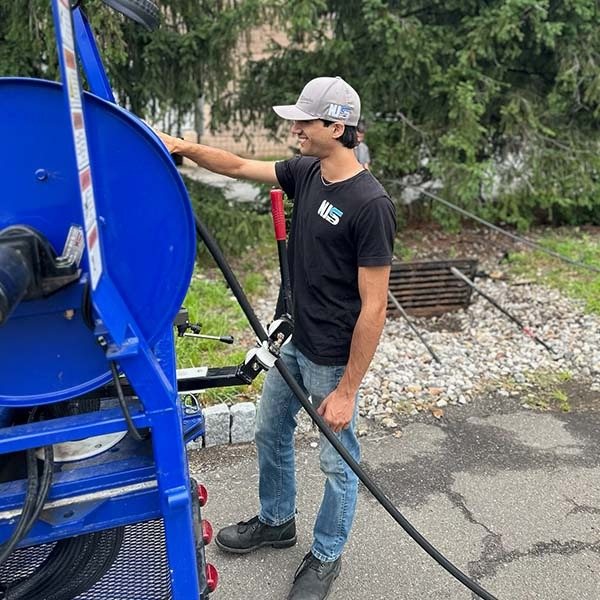
A hydro jetter, also called hydrojetting or water jetting, pushes water through a hose at high pressure out of a nozzle with jets aimed backward and, depending on the nozzle, forward. The rear jets pull the hose up the pipe and scrub the walls on the way. The forward jets break up what is in front. As the hose is pulled back, the loosened debris flushes downstream to the sewer.
That is the real difference from cabling. A cable with a cutting head bores a hole through the blockage, which restores flow but leaves much of the buildup on the walls. Jetting removes the coating itself, so the pipe gets back close to its full diameter. That is why it works so well on kitchen grease, soap sludge and mineral scale, and why it slows down how fast those problems come back.
Jetting is not right for every pipe. On a line that is cracked, separated or badly deteriorated, high pressure can make the damage worse. We look at the line with a camera before or during the job to make sure it can take it. Any customer who schedules a jetting cleaning gets that camera inspection free.
02When to call
Signs it's time
- 01Clogs that return soon after cabling
- 02Kitchen or restaurant lines with heavy grease
- 03Roots that keep growing back in the main
- 04Slow drains throughout an older building
- 05Persistent odor from drains even when they flow
- 06Scheduled maintenance for a multifamily or commercial property
03How we handle it
- 1
Look at the line
We run a camera to see the buildup and the pipe condition. Sound pipe gets jetted. Pipe that is broken or fragile gets a different plan.
- 2
Choose the nozzle
Grease, roots and scale each respond best to a different nozzle. We pick one for what is in your line.
- 3
Jet the line
We feed the hose from a cleanout and work the line in passes, cleaning the walls and flushing the debris downstream.
- 4
Confirm it is clean
A camera pass afterward shows the result. You can see the difference between the before and after footage.
04What's included
The scope, in plain terms
On the truck for this
- High-pressure water jetting
- Sewer camera inspection
- Main sewer line jetting
- Kitchen and grease line jetting
- Root removal and flushing
- Scale and sludge removal in older pipe
- Commercial and multifamily drain lines
- Free camera inspection with any jetting cleaning
- Before and after camera footage
- Maintenance jetting on a schedule
Recent work nearby
Jobs like this, lately.
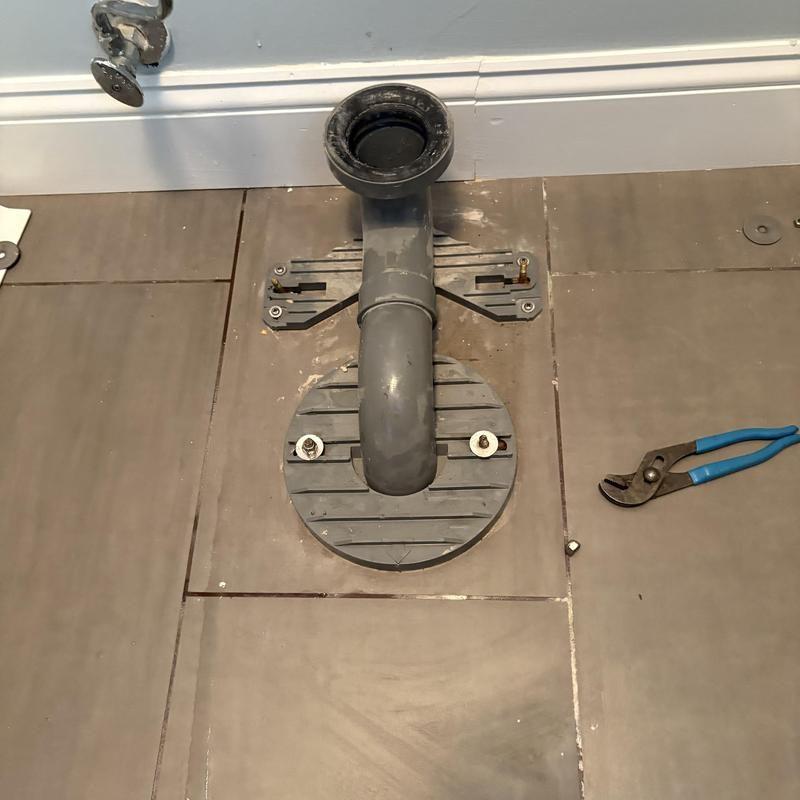
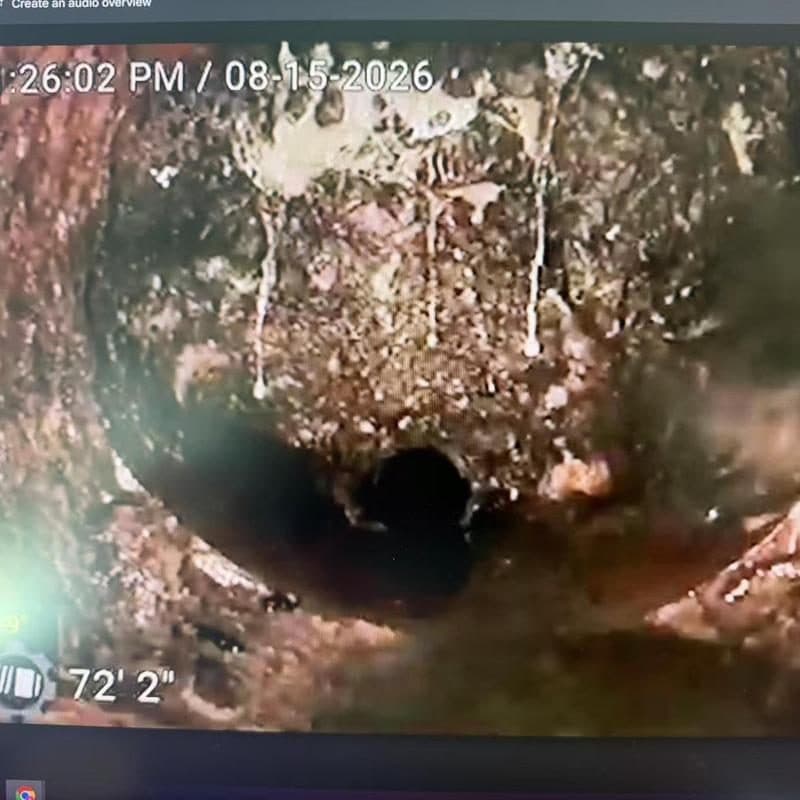
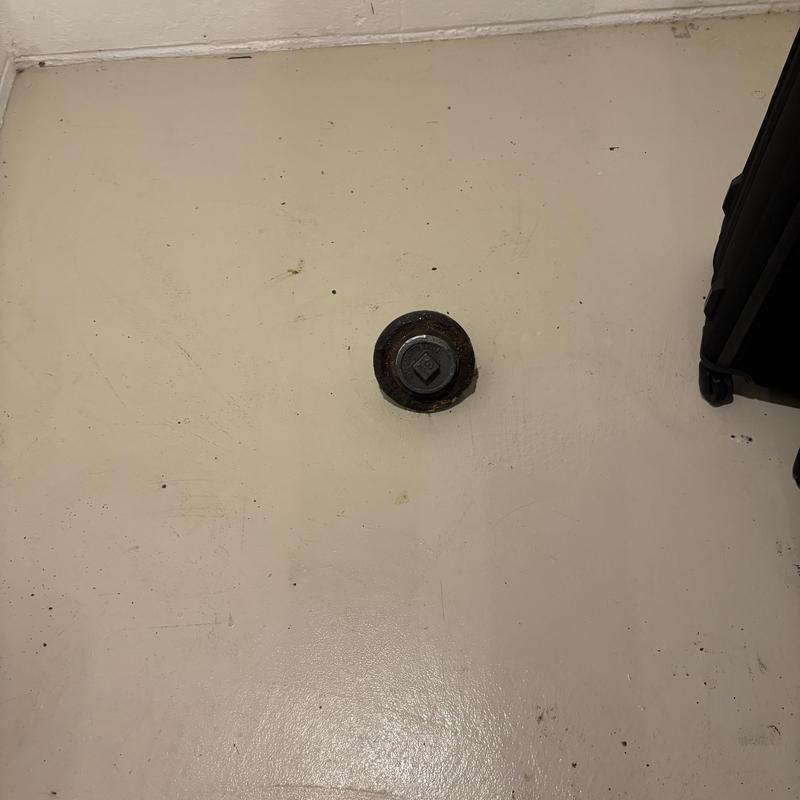
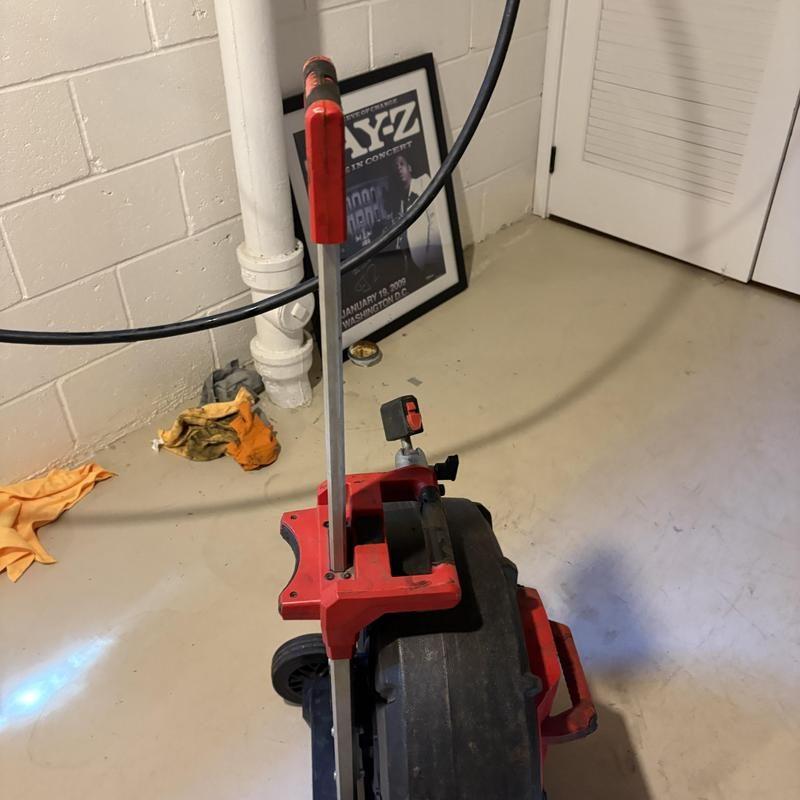
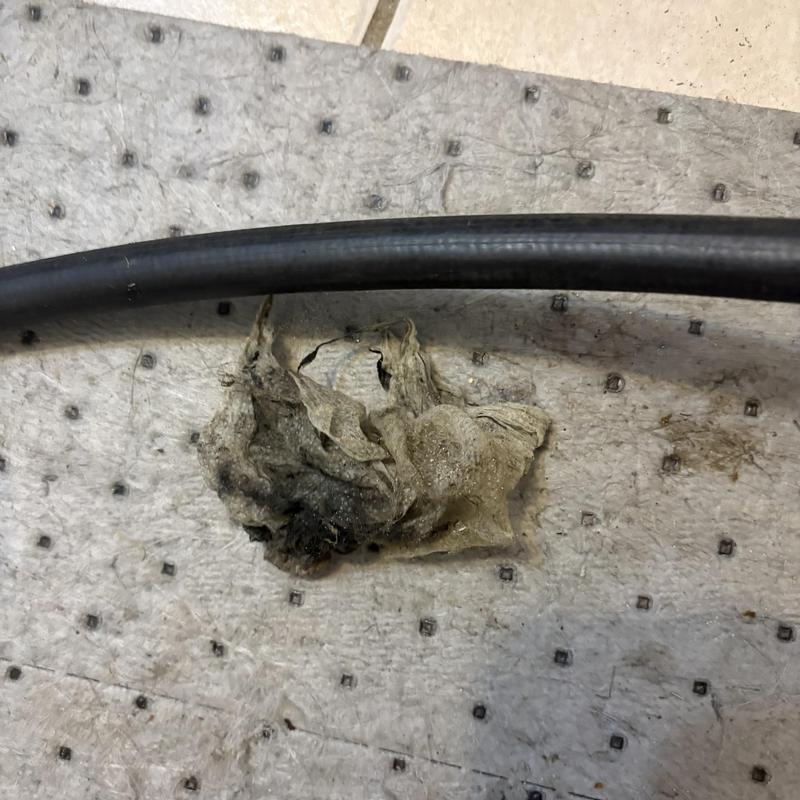
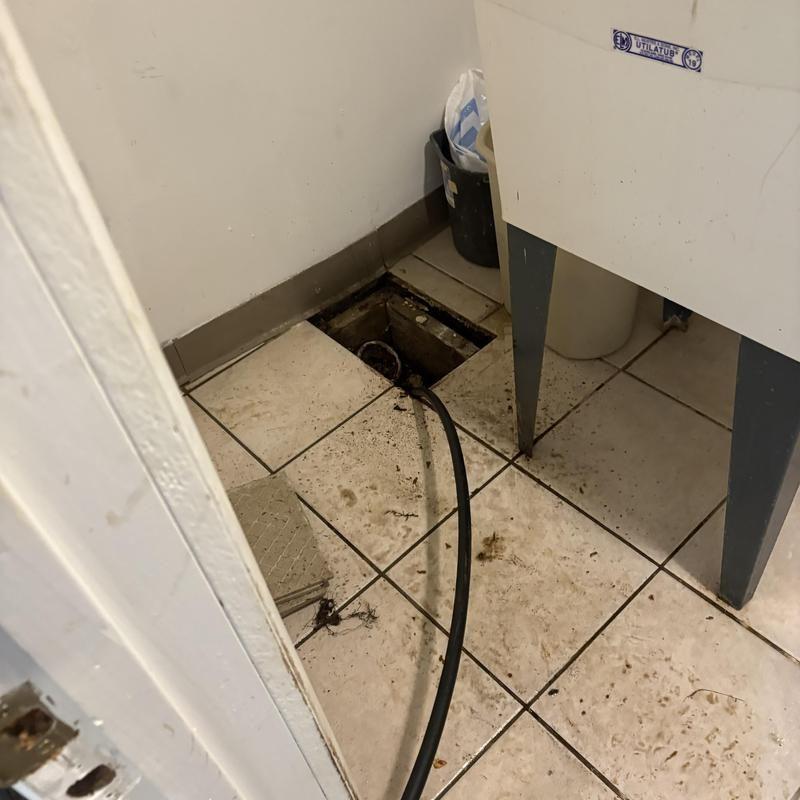
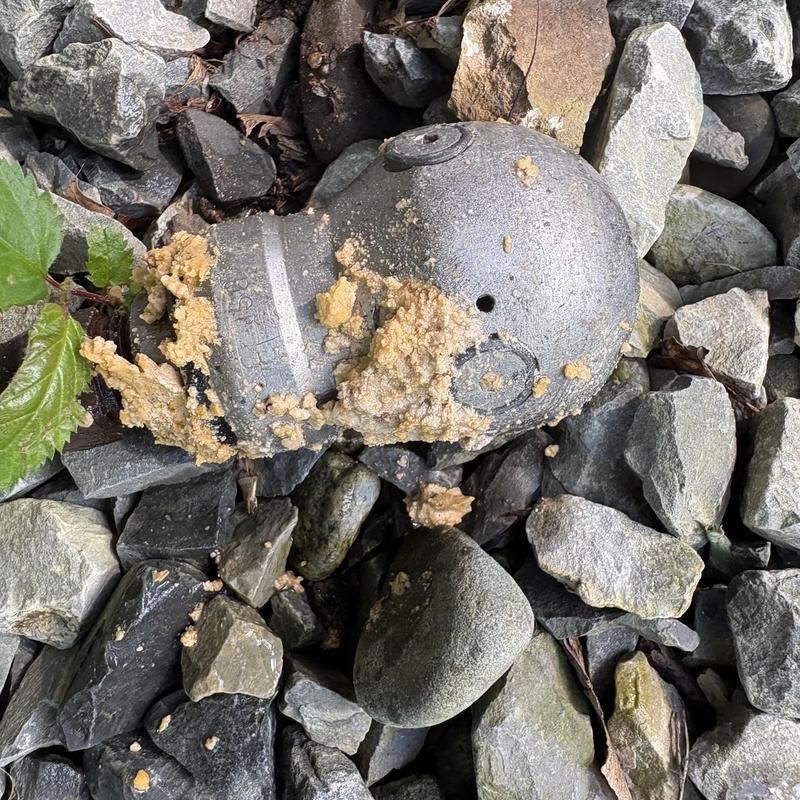
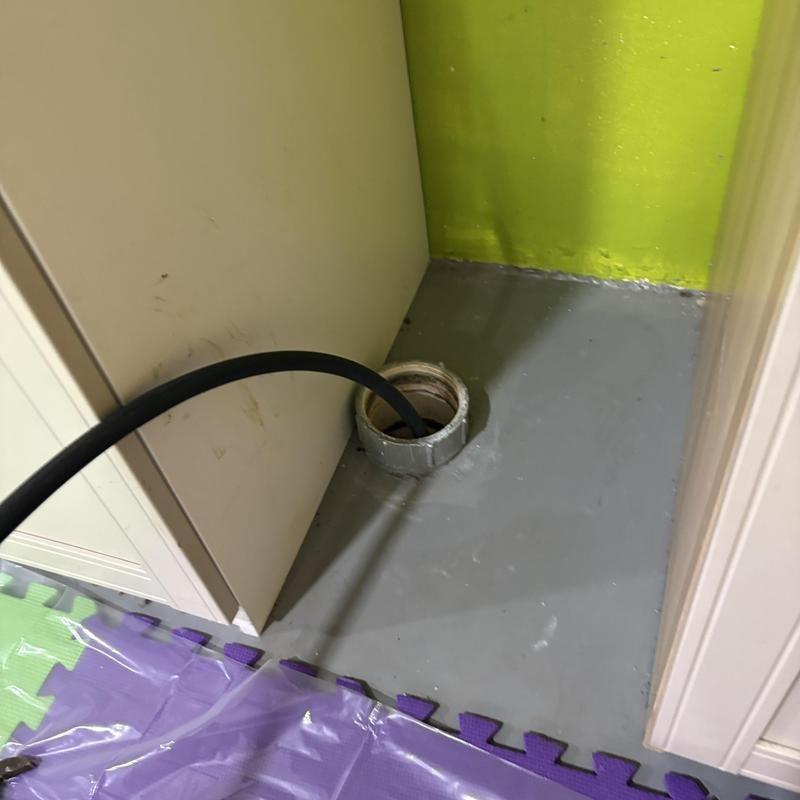
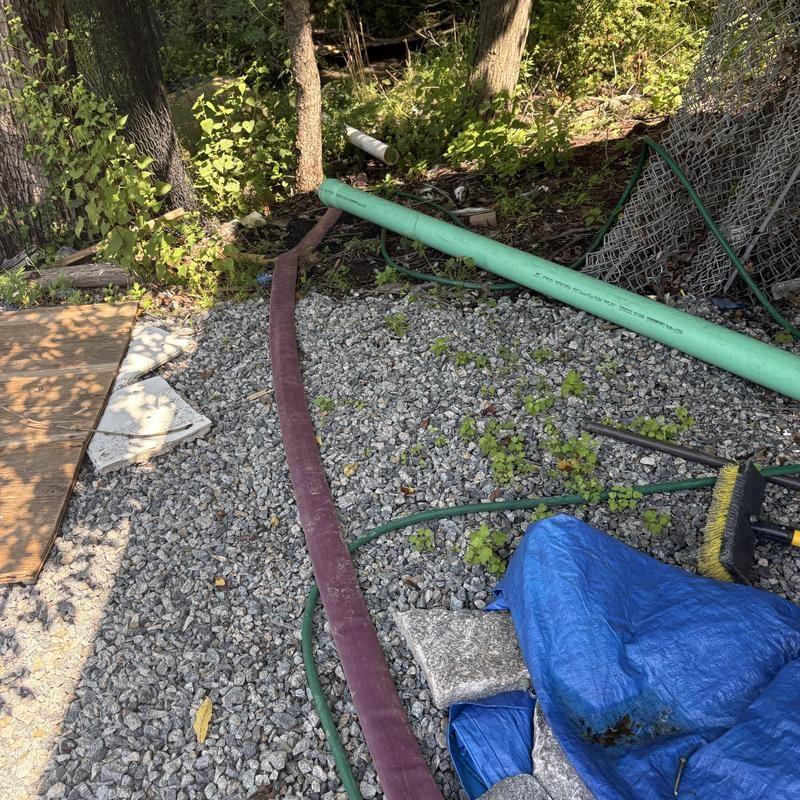
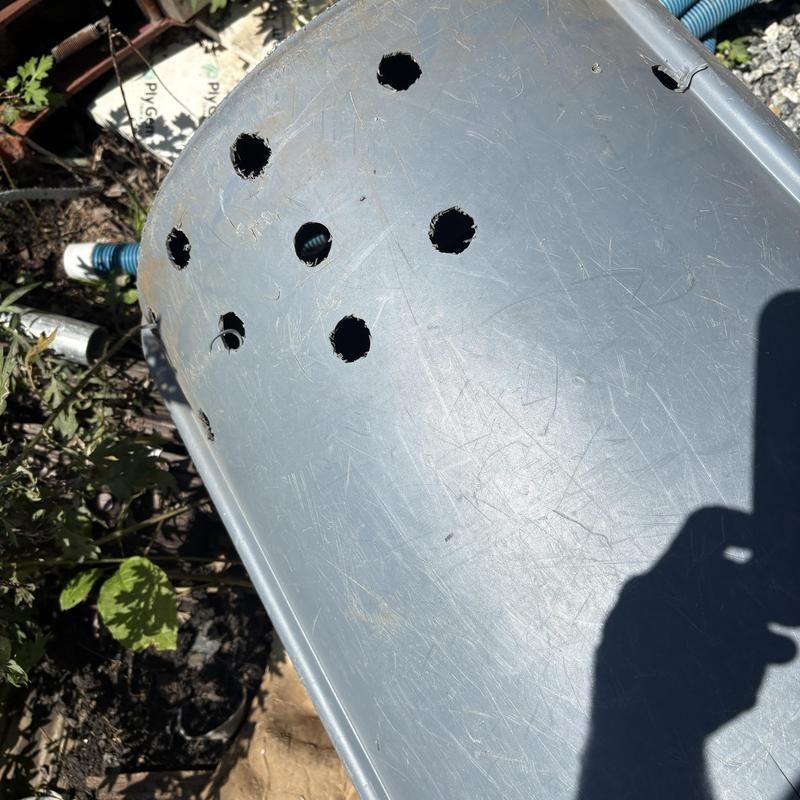
Logged by our crew on the job. Pins are placed near, not at, each address.
05Questions
What people ask about high-pressure jetting
Is hydro jetting better than snaking?
For buildup, yes. Snaking, or cabling, opens a hole through the clog. Jetting cleans the whole pipe wall. For a simple obstruction, cabling is often all that is needed. For grease, scale and roots that keep returning, jetting lasts longer.
Can jetting damage my pipes?
On pipe in good condition it should not. On pipe that is already cracked, separated or badly corroded it can, which is why we inspect first. If your line is not a good candidate, we will say so.
Will jetting get rid of tree roots permanently?
No cleaning method does. Jetting removes the roots inside the pipe, but they can grow back through the same joint. Regular jetting keeps them under control. Lining or replacing the pipe is the permanent fix.
Is the camera inspection really free?
Yes. Any customer who schedules a jetting cleaning gets the camera inspection at no charge.
Do you jet lines for other plumbers?
Yes. Plumbers and contractors call us for main line and sewer jetting when a job needs a jetter. The work includes the camera inspection and before and after footage, the same as for a homeowner. Call (973) 513-7751 to set it up.
High-Pressure Jetting in these towns
- Bloomfield
- Boonton
- Caldwell
- Cedar Grove
- Clifton
- Fairfield
- Franklin Lakes
- Hackensack
- Lincoln Park
- Little Falls
- Livingston
- Madison
- Midland Park
- Montclair
- Montville
- Morristown
- Mountain Lakes
- North Caldwell & West Caldwell
- Nutley
- Oakland
- Paramus
- Parsippany
- Pequannock
- Pompton Plains
- Ridgewood
- South Orange
- Totowa
- Wayne
- West Orange
- Wyckoff
Request service
Tell us what's going on.
We'll get back to you to set a time. Anything urgent, call instead: (973) 513-7751.