Branch lines and stacks
Clogged Pipe Cleaning
Some clogs are not at the fixture at all. They sit in a branch line inside a wall, in a shared drain between two fixtures, or in a vent stack on the roof. We reach them where they are.
01Sewer & drain
Every fixture drains into a branch line, and branch lines feed a vertical stack that carries waste down to the main. A clog in a branch can slow two or three fixtures at once, like a kitchen sink and a dishwasher, or a bathroom sink and a tub that share a line. A clog in a stack can affect a whole floor.
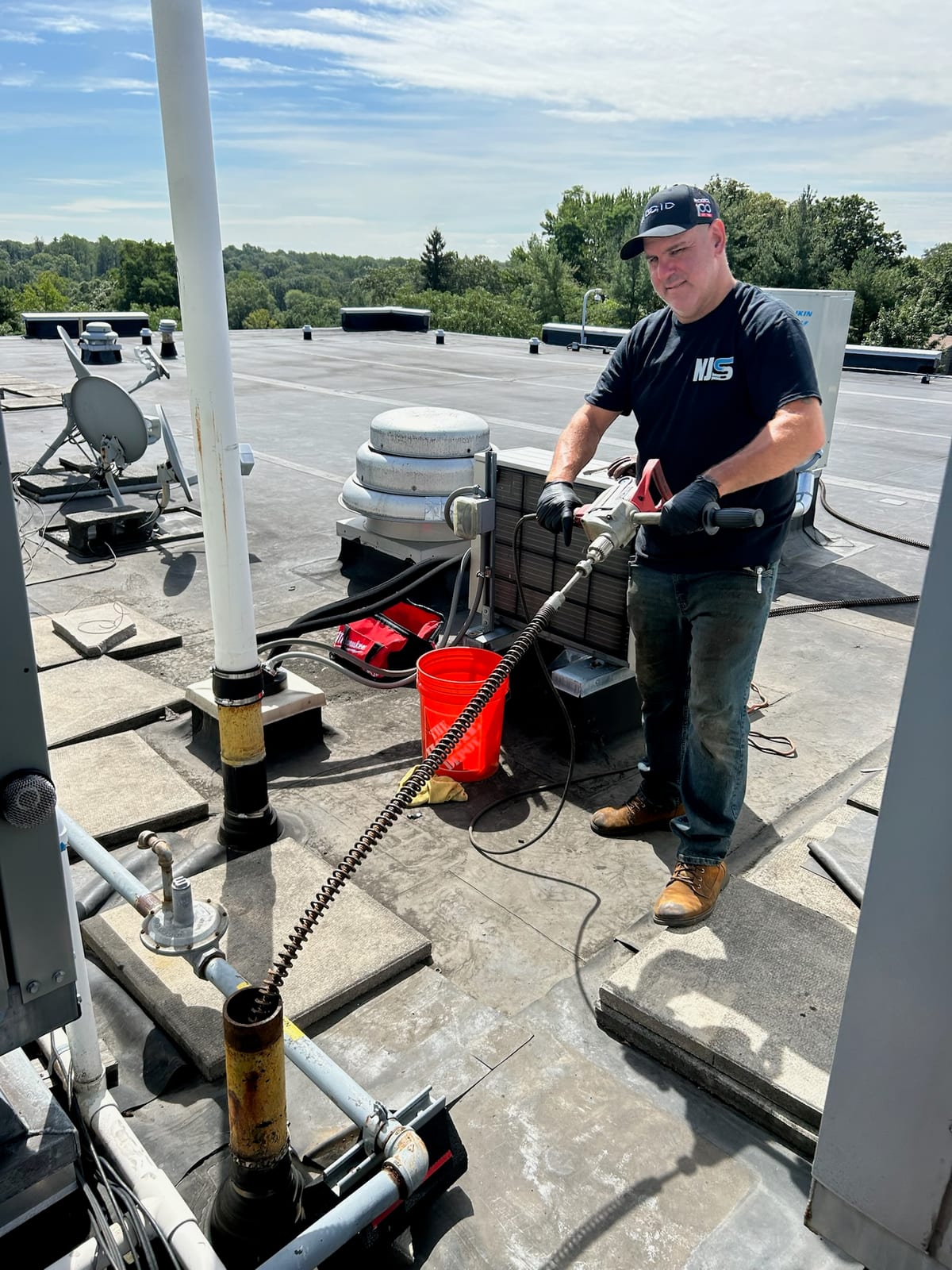
Then there are vents. The pipe that goes up through your roof lets air into the drain system so water flows smoothly. When a vent is blocked by leaves, a nest or ice, drains gurgle, toilets bubble and traps get siphoned dry, which lets sewer gas into the house. We clear vent stacks from the roof with a drain machine when that is where the problem is.
The fix depends on where the blockage sits and what it is made of. Grease in a kitchen line, scale in old galvanized pipe and debris in a stack each call for a different cable head, a different access point, or jetting.
02When to call
Signs it's time
- 01Two or more fixtures on the same line draining slowly
- 02A dishwasher or washer backing up into a sink
- 03Gurgling or bubbling in drains when nothing is running nearby
- 04Sewer smell indoors with no obvious source
- 05A toilet that bubbles when a sink drains
- 06Clogs that come back in the same part of the house
03How we handle it
- 1
Map the affected fixtures
Which drains are slow tells us which branch or stack is involved. That decides where we open the line: a cleanout, a fixture, or the roof vent.
- 2
Clear from the best access point
We cable the branch or stack with a head chosen for the material. Heavy grease or scale may call for high-pressure jetting instead, which cleans the pipe wall rather than just opening a path.
- 3
Check the vents
If symptoms point to venting, we clear the vent stack from the roof and confirm air moves freely.
- 4
Verify and explain
We run water through every affected fixture and tell you what was in the line and whether the pipe itself looked like part of the problem.
04What's included
The scope, in plain terms
On the truck for this
- Drain cabling machines
- High-pressure water jetting
- Sewer camera inspection
- Clearing branch lines shared by multiple fixtures
- Kitchen lines with grease buildup
- Laundry and dishwasher drain lines
- Vertical drain stacks
- Rooftop vent stack cabling
- Cleanout access and inspection
- Jetting for heavy grease or scale where the pipe allows
- Camera inspection for recurring trouble spots
Recent work nearby
Jobs like this, lately.
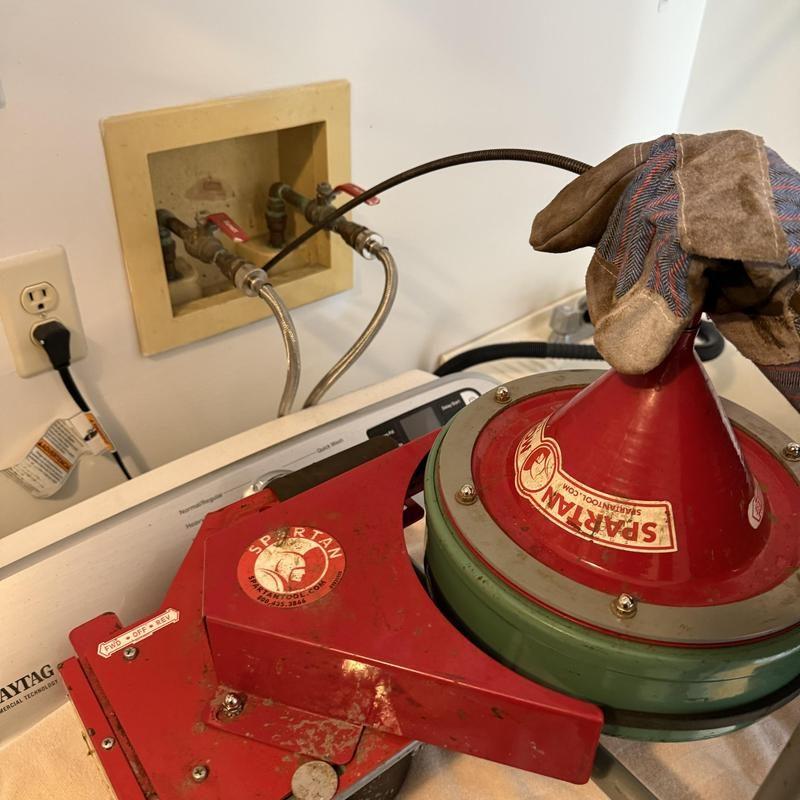
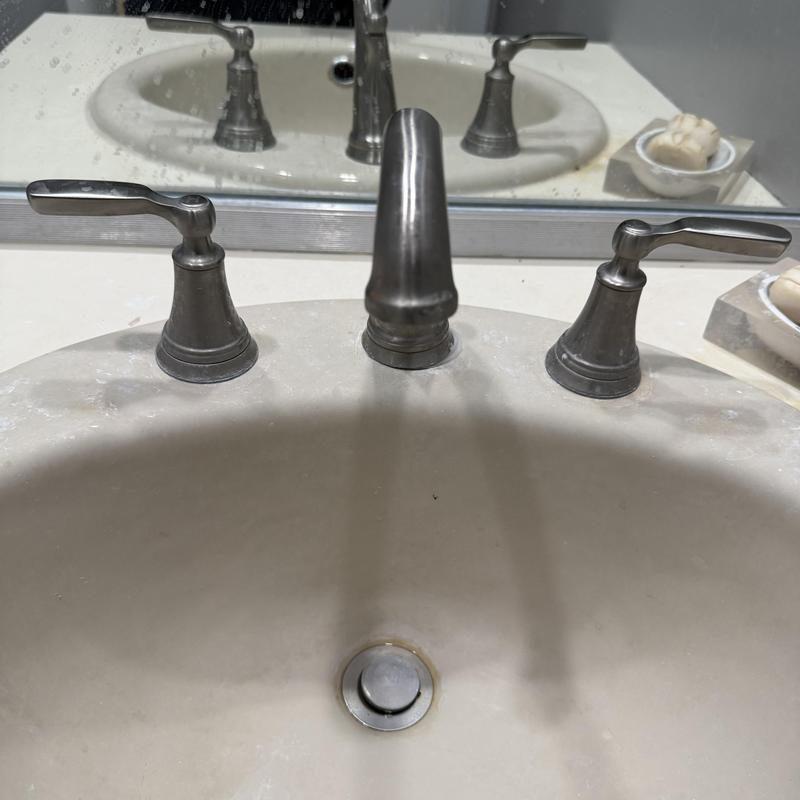
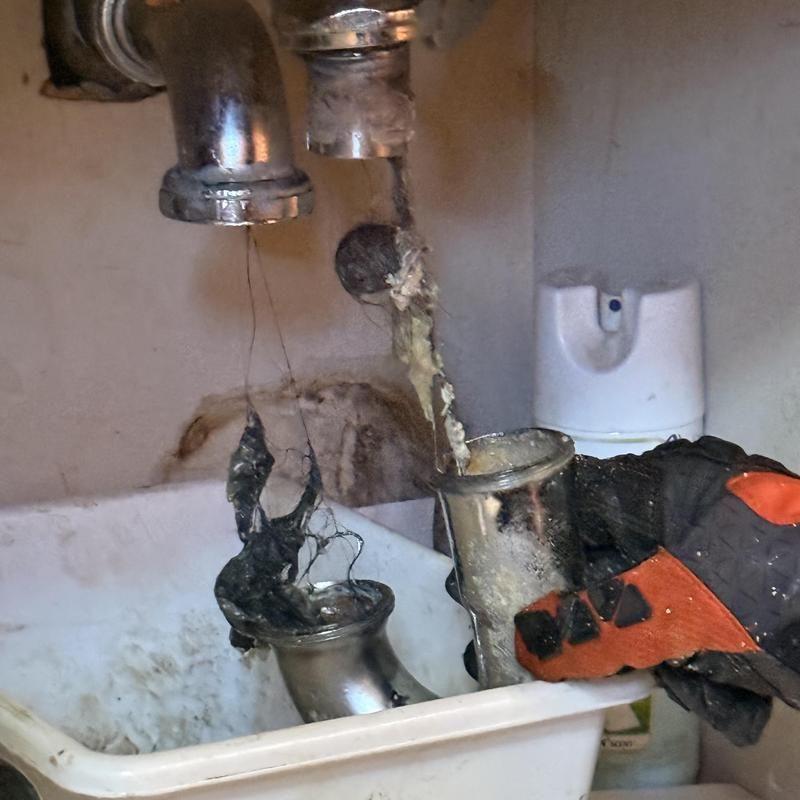
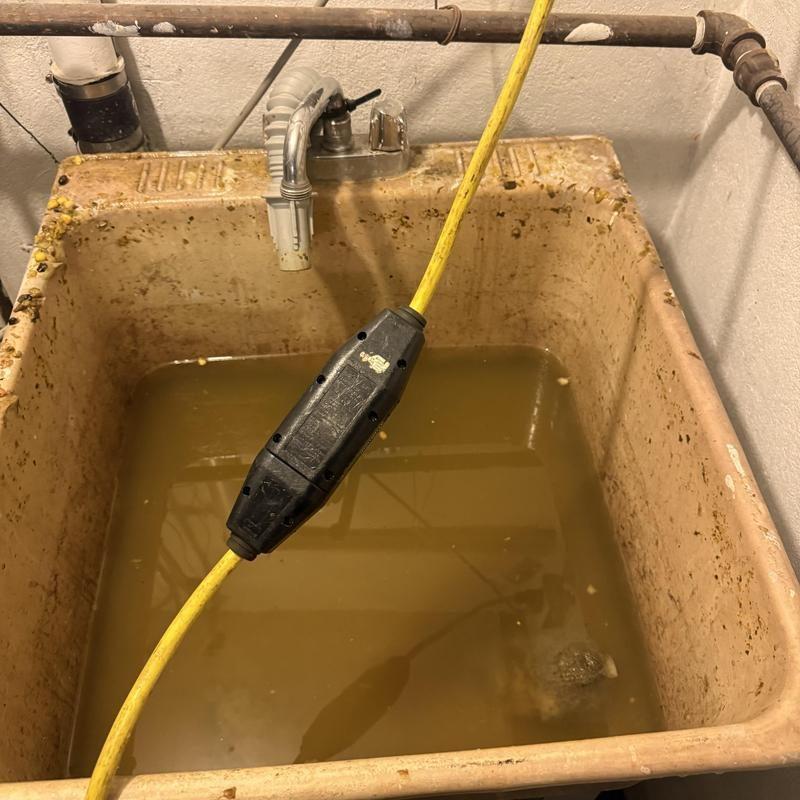
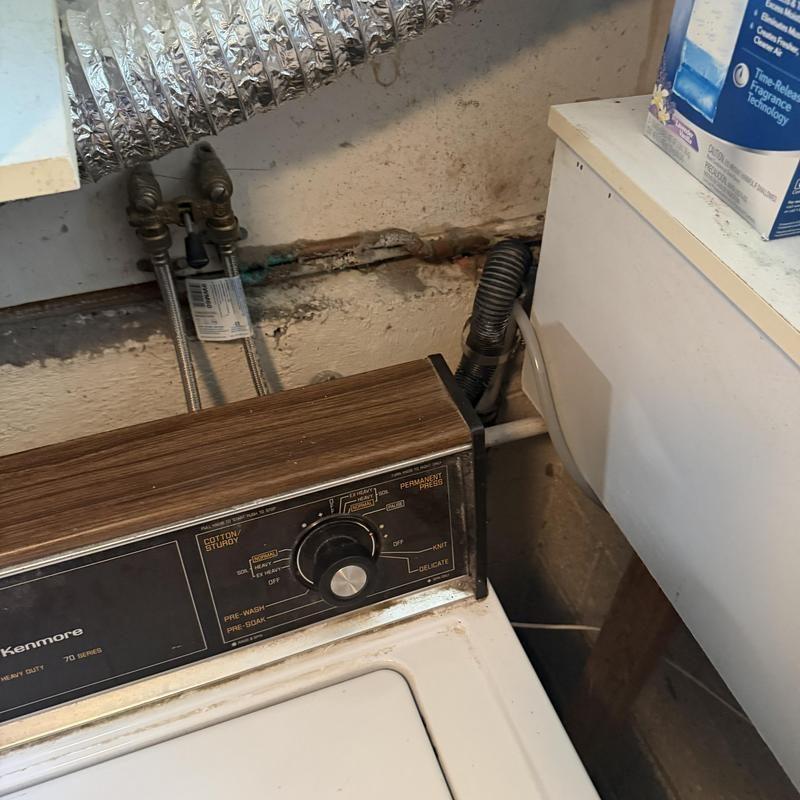
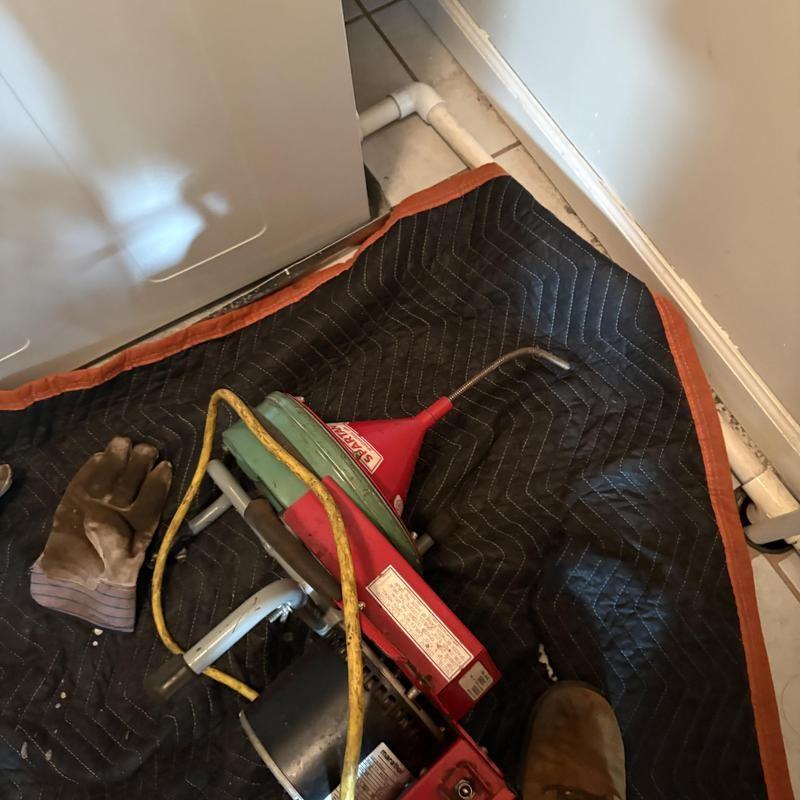
Logged by our crew on the job. Pins are placed near, not at, each address.
05Questions
What people ask about clogged pipe cleaning
Why would a plumber need to go on my roof for a clog?
The vent stack opens on the roof, and it is often the straightest path down a stack. Going in from the top also lets us clear a blocked vent, which causes gurgling and sewer smells even when the drains themselves are open.
Is it a clog or a vent problem?
Slow drains with standing water usually mean a clog. Drains that move but gurgle, or toilets that bubble when a sink runs, often mean a vent issue. Many times it is both. We check for each.
Can old pipes clog more easily?
Yes. The inside of old galvanized steel and cast iron gets rough and narrow from corrosion and scale, and debris catches on it. Cleaning helps, but if the pipe is badly restricted, replacing that section may be the lasting fix. We will tell you which it is.
Clogged Pipe Cleaning in these towns
- Bloomfield
- Boonton
- Caldwell
- Cedar Grove
- Clifton
- Fairfield
- Franklin Lakes
- Hackensack
- Lincoln Park
- Little Falls
- Livingston
- Madison
- Midland Park
- Montclair
- Montville
- Morristown
- Mountain Lakes
- North Caldwell & West Caldwell
- Nutley
- Oakland
- Paramus
- Parsippany
- Pequannock
- Pompton Plains
- Ridgewood
- South Orange
- Totowa
- Wayne
- West Orange
- Wyckoff
Request service
Tell us what's going on.
We'll get back to you to set a time. Anything urgent, call instead: (973) 513-7751.