Water heaters
Water Heater Inspection and Testing
Know what condition your water heater is in before it fails. An inspection checks the safety devices, the heat source and the tank.
01Water heaters
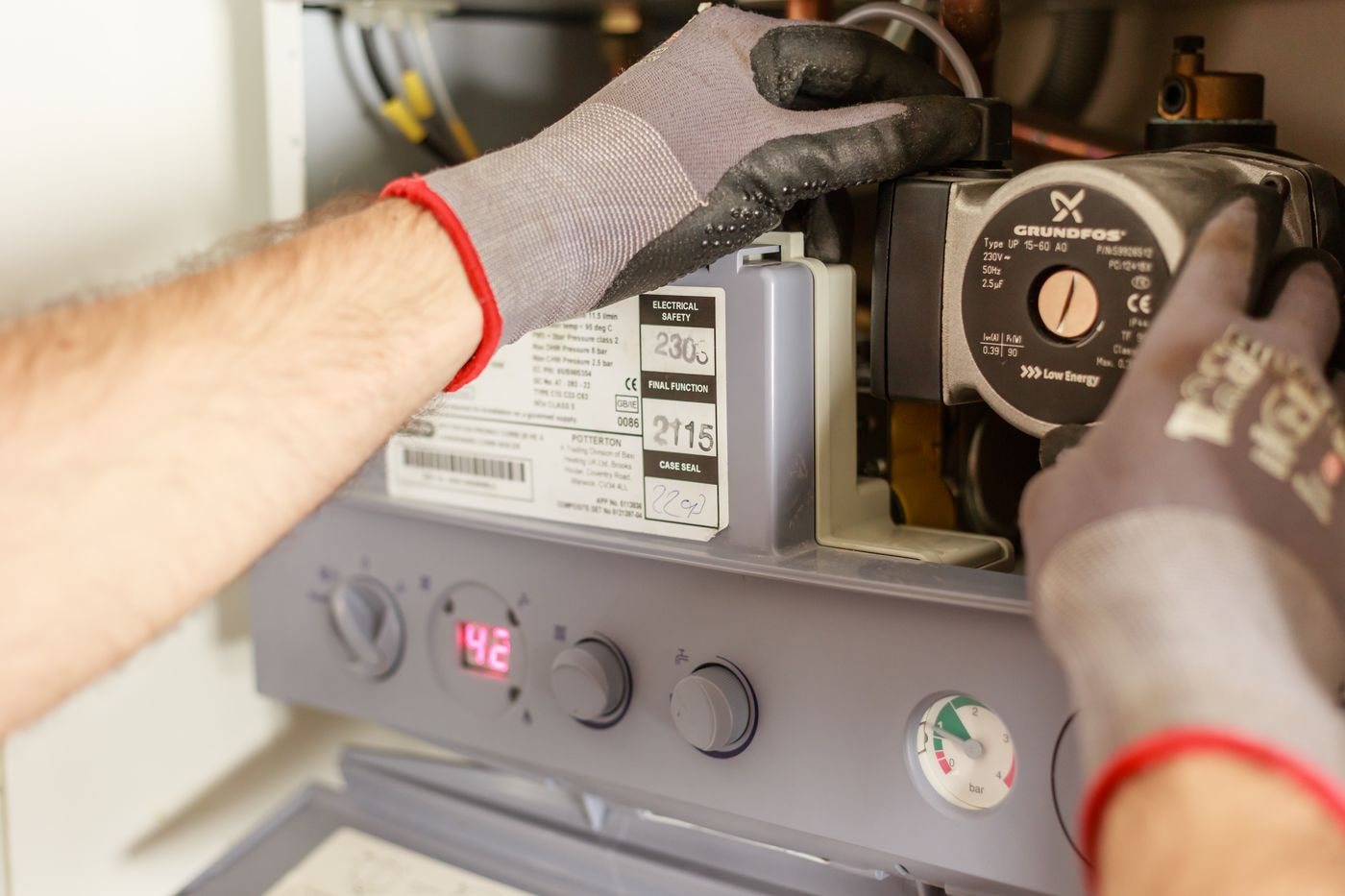
Water heaters rarely fail without warning. Sediment builds up, the anode rod wears away, fittings start to weep, and relief valves stick. An inspection looks for those early signs while there is still time to plan, instead of finding out when the basement floor is wet.
The safety checks matter most. The temperature and pressure relief valve has to open if the tank overheats or overpressurizes. On gas and propane units, the vent has to carry combustion gases outside. Both are tested, not just looked at.
An inspection is useful when buying a home, when a unit is getting older, after a repair elsewhere in the system, or simply when you want to know whether to budget for replacement.
02When to call
Signs it's time
- 01You do not know how old your water heater is
- 02You are buying or selling a home
- 03The unit makes more noise than it used to
- 04You see rust, mineral crust or moisture around the fittings
- 05Hot water performance has slowly dropped
- 06You want to plan replacement instead of reacting to a failure
03How we handle it
- 1
Visual check
We look at the tank, fittings, supply lines, shutoff valve, drain valve and floor around the unit for leaks and corrosion.
- 2
Safety devices
We check the relief valve and its discharge line, and on fuel-fired units we test draft at the vent and inspect the burner area for scorching.
- 3
Heat source and temperature
On electric units we test the elements and thermostats. On gas units we look at the flame, the burner and the controls. We check delivered water temperature.
- 4
Report
We tell you what is working, what needs attention soon and what can wait, so you can make a decision with real information.
04What's included
The scope, in plain terms
- Visual inspection of the tank, connections and surroundings
- Temperature and pressure relief valve inspection
- Burner, pilot and flame check or element and thermostat testing
- Vent and draft testing on gas and propane units
- Leak detection and corrosion checks
- Sediment and tank condition evaluation
- Water temperature check at a fixture
- Clear findings and repair or replacement options
05Questions
What people ask about water heater inspection and testing
How do I know how old my water heater is?
The age is usually encoded in the serial number on the label. The format varies by manufacturer. We can read it during the inspection.
Can you tell me how much life my water heater has left?
No one can give an exact date. We can tell you whether there are signs of tank corrosion, leaking or failing components, which tells you whether to plan for replacement soon or keep maintaining it.
Is flushing the tank part of an inspection?
We check for sediment and recommend flushing where it will help. On some older tanks that have never been flushed, heavy sediment can clog the drain valve, so we talk through that before doing it.
Water Heater Inspection and Testing in these towns
- Bloomfield
- Boonton
- Caldwell
- Cedar Grove
- Clifton
- Fairfield
- Franklin Lakes
- Hackensack
- Lincoln Park
- Little Falls
- Livingston
- Madison
- Midland Park
- Montclair
- Montville
- Morristown
- Mountain Lakes
- North Caldwell & West Caldwell
- Nutley
- Oakland
- Paramus
- Parsippany
- Pequannock
- Pompton Plains
- Ridgewood
- South Orange
- Totowa
- Wayne
- West Orange
- Wyckoff
Request service
Tell us what's going on.
We'll get back to you to set a time. Anything urgent, call instead: (973) 513-7751.